


Replacement of the clutch plates is necessary when the effort on the pedal decreases during clutch disengagement (and, correspondingly, the working travel increases), which indicates heavy wear of the pressure plate surface or “settling” of the spring.
Increased noise during clutch disengagement and judder during clutch operation also indicate wear of the clutch plates and the release bearing.
When replacing the clutch plates, the complete clutch kit must be replaced.
Required materials and tools:
- Complete clutch kit (driven plate and pressure plate, release bearing with sleeve).
- Centring mandrel for the driven plate.
- Torque wrench.
- Anaerobic thread locker.
- Graphite grease for the splines and bushes.
- Jack, axle stands, wheel chocks.
We place the vehicle on an inspection pit or a lift.
We remove the gearbox (article — Removal and installation of the gearbox).
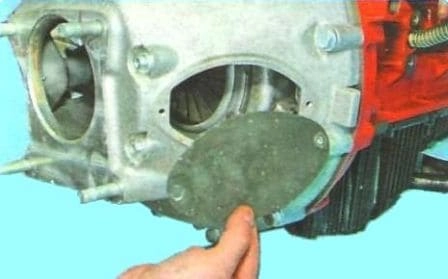
We unscrew the two securing bolts and remove the cover of the technical access hatch on the clutch housing.
We disengage the release bearing from the fork.
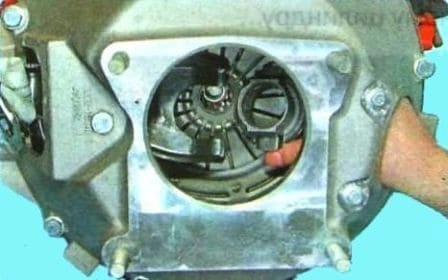
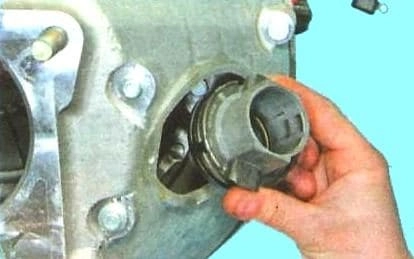
We remove the bearing.
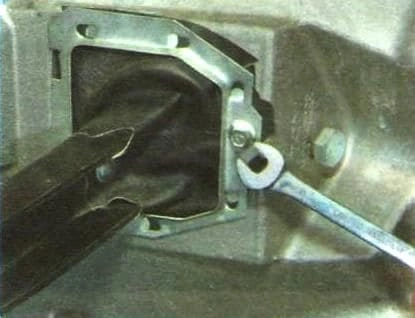
We unscrew the bolt securing the frame of the release fork boot.
We remove the fork together with the frame and boot.
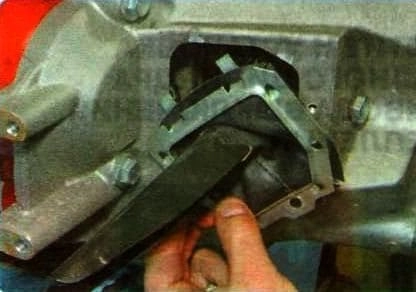
We unscrew the twelve bolts arranged in a circle securing the clutch housing to the cylinder block and remove the housing (“bell”).
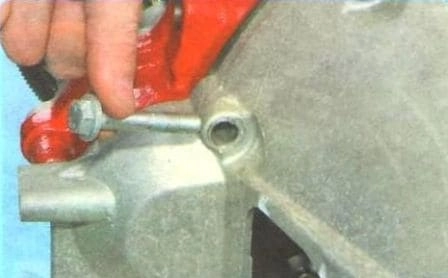
One bolt secures the earth cable connecting the body to the power unit.
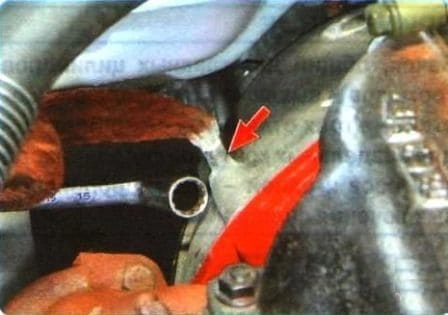
Turning the crankshaft, we unscrew the six bolts securing the clutch pressure plate to the flywheel.
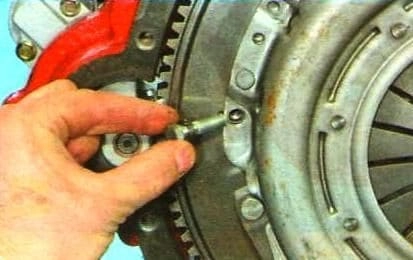
We remove the pressure plate and the driven plate.
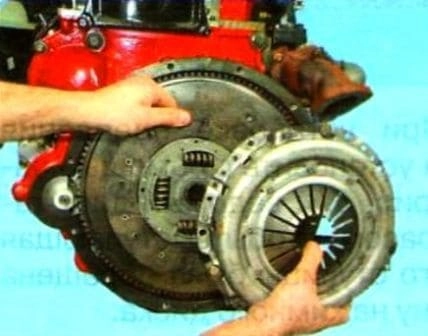
The gearbox input shaft support bearing is pressed into the flywheel.
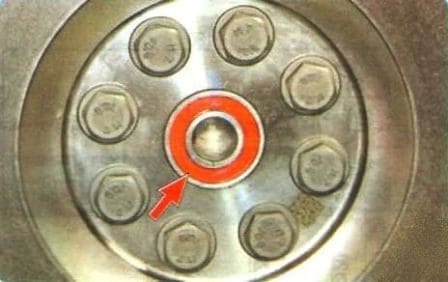
When removing the clutch, pay attention to the condition of this bearing.
If its condition is unsatisfactory, we replace the bearing.
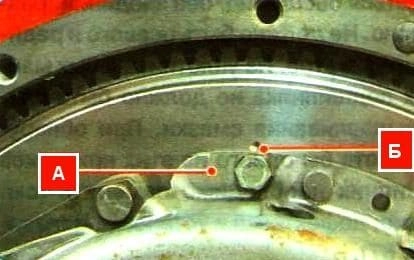
To reduce engine vibration due to imbalance of the clutch parts, at the factory the crankshaft is balanced together with the pressure plate.
If the clutch is removed for a reason other than replacement, when installing pay attention to the alignment of the marks on the pressure plate “А” (round mark on the cover) and on the flywheel “Б” (recess).
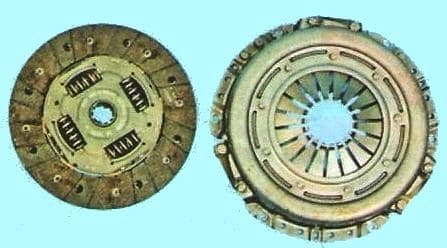
Before installing the clutch, check the ease of movement of the driven plate along the splines of the gearbox input shaft.
If necessary, eliminate the causes of sticking or replace defective parts.
Check the ease of rotation of the clutch release bearing and the absence of play on the sleeve.
At the slightest sign of a fault (increased noise, sticking of the rolling elements, play), replace the bearing together with the sleeve.
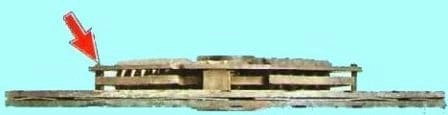
The driven plate must be installed so that the protruding part of the hub faces the pressure plate.
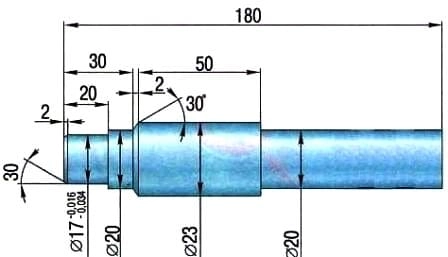
We install the driven plate first using the mandrel.
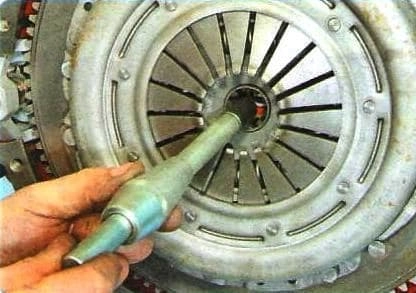
After that we install the pressure plate (basket) and screw in the bolts securing the pressure plate to the flywheel.
We tighten the bolts evenly, one turn each, moving from bolt to bolt around the diameter.
We remove the mandrel and install the gearbox.
We install all parts in the reverse sequence.
The tightening torque of the pressure plate bolts is 20–29 N·m.